

Aug 10th 2026
A property in need of refurbishment in Tyrol: buy, sell or renovate first?
Not all renovation needs are the same
The term ‘in need of refurbishment’ is often used in very different ways. For some, it means that the floors, walls and kitchen are no longer up to date. For others, it relates to the roof, heating system, façade, electrical wiring, damp or structural issues. There is a significant difference between these two perspectives.
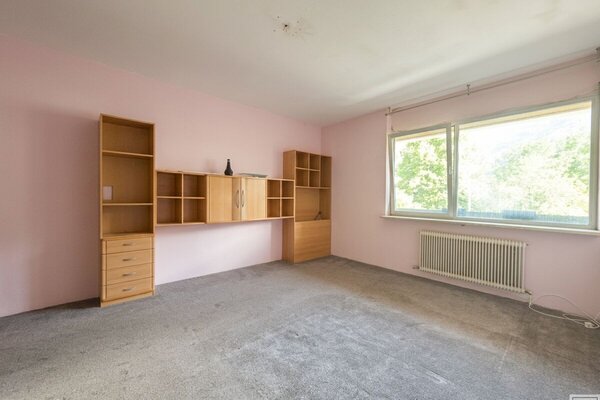
Aesthetic renovation needs primarily concern the property’s appearance. These include old finishes, worn floors, outdated tiles, an older kitchen or wall colours that no longer reflect current tastes. Such issues are immediately apparent during viewings, but are often relatively easy to cost.
Technical renovation needs run deeper. They concern building components and systems that are crucial for safety, energy efficiency, maintaining the property’s value and day-to-day usability. These include the heating system, roof, windows, façade, pipework, electrical installations, damp-proofing and waterproofing. These issues are far more relevant to buyers, as they can lead to higher costs, longer planning times and greater uncertainty.
Structural renovation needs represent the most challenging level. This involves the floor plan, structural integrity, building fabric, damp, slope, foundations, major alterations or legal or structural non-compliance. In such cases, cosmetic renovation is not sufficient. The property must be professionally inspected and assessed accordingly.
For sellers, this distinction is crucial. A flat with an outdated kitchen is not automatically in need of refurbishment in a technical sense. A house with a modern bathroom but an old roof and an unresolved heating system, on the other hand, is not necessarily ‘refurbished’ despite its attractive finishes.
Why buyers often factor the need for refurbishment into the price as a risk
When it comes to properties in need of refurbishment, buyers do not just factor in the visible costs. They also factor in uncertainty. If it is not clear how high the actual costs will be, they apply a safety margin.
This is particularly understandable when documentation is missing or technical questions remain unanswered. A buyer who does not know when the heating system was last serviced, whether the roof is watertight or whether the electrical system meets current standards will make a more cautious offer. Not necessarily because the property is in poor condition, but because the risk cannot be accurately assessed.
Typical questions from buyers include:
- How old are the heating system, roof, windows and façade?
- Is there evidence of maintenance or refurbishment?
- What investments are required in the short term?
- What work can be carried out at a later date?
- Are there any damp, mould or waterproofing issues?
- Have any alterations been approved and documented?
- How high are the running costs until the refurbishment takes place?
- Is the renovation financially viable in relation to the purchase price?
The better these questions are answered, the less the buyer will have to rely on blanket discounts. Transparency reduces uncertainty – and uncertainty is often the biggest factor driving down the price of properties in need of refurbishment.
Should sellers carry out any renovation work before the sale?
Many owners wonder, before selling, whether they should invest any more money. This is an understandable question, but it should be answered objectively. Not every renovation carried out before the sale pays off. Small, targeted measures often make sense. These include cleaning, clearing out clutter, minor repairs, tidying up the garden, improving the lighting, touching up walls, ensuring doors work properly, maintaining the outdoor areas and presenting the rooms clearly. Such measures improve the first impression without artificially altering the property’s character.
Larger-scale refurbishments are more difficult to assess. A new kitchen or bathroom can be expensive, but may not suit the buyer’s taste. Anyone who invests large sums shortly before the sale runs the risk that these costs will not be fully recouped through the sale price. Technical measures can be worthwhile if they rectify a clear defect or significantly improve the property’s eligibility for finance and marketability. A faulty heating system, a leaking roof or a serious damp problem should not simply be ignored. These issues require either a solution or, at the very least, a clear, documented assessment.
The better question is therefore not: “Should I carry out further renovations?” The better question is: “Which measures will genuinely improve my property’s market position?”
When is it worth renovating before selling?
Renovating can be worthwhile if a relatively minor improvement has a significant impact on the overall impression. This is particularly true of properties that are generally well-maintained but appear neglected. An empty, clean, bright room sells more easily than a cluttered room with damaged surfaces. A well-maintained entrance area, a mown garden, working roller shutters, repaired silicone joints or clean floors can significantly improve the property’s appeal.
Even minor repairs are often worthwhile, as they prevent buyers from concluding that the property is generally in poor condition based on numerous small defects. If light switches are faulty, doors stick, taps drip or outdoor areas look neglected, it quickly creates the impression that larger issues have also been neglected.
The following measures, in particular, are often worthwhile before the sale:
- thorough cleaning and decluttering
- minor repairs
- maintaining the garden and outdoor areas
- Neutralising walls if they are heavily personalised
- Improving lighting and the sense of space
- Rectify any obvious defects as documented
- Sorting maintenance records and invoices
- Prepare technical documentation
Such measures do not usually constitute a full refurbishment, but they do make the property ready for sale.
When major refurbishments before a sale can be risky
Major refurbishments aren’t automatically a bad idea before selling, but they do carry risks. The higher the investment, the more carefully you need to assess whether the market will actually reward these costs. A new bathroom, a new kitchen or high-quality flooring can make a strong visual impact. At the same time, they are a matter of personal taste. Buyers who intend to renovate anyway often won’t pay the full premium for them. In older houses in particular, a single modern upgrade can even look out of place if other key structural elements remain old.
For example: a new bathroom looks attractive at first glance. However, if the roof, heating system and windows need replacing in the next few years, the buyer will still expect to face significant investment. The new bathroom will therefore have only a limited impact on the overall technical valuation.
Energy-efficiency refurbishments should also be carefully considered. Whilst they can make sense in the long term, they are often complex to carry out before a sale. Subsidies, planning, the availability of tradespeople, construction time and costs must all be realistically taken into account. Anyone carrying out extensive refurbishment shortly before the sale ties up capital and time – with no guarantee that the subsequent sale price will increase by the same amount.
That is why a property valuation is particularly important before making any major investments. Only once it is clear how the market values the property’s current condition can one assess whether a refurbishment prior to sale makes financial sense.
Assessing renovation needs correctly when buying a property
For buyers, a property in need of refurbishment can be very attractive. It offers the opportunity to design the layout, fittings and technical systems to suit their own preferences. At the same time, the purchase price may be lower than for fully modernised properties. However, this advantage only materialises if the cost of refurbishment is realistically assessed. Anyone who is too optimistic in their calculations risks the property ultimately costing more than a comparable property that has already been refurbished.
Before buying, buyers should therefore not only draw up a wish list but also prioritise the work to be done. What is necessary immediately? What makes sense in the medium term? What is purely a matter of taste? And which tasks are interdependent?
Particularly important are:
- Roof and damp-proofing
- Heating and hot water
- Windows and insulation
- Electrical installations
- Plumbing and bathrooms
- Facade and plinth
- Floor plan and load-bearing elements
- Basement, waterproofing and drainage
- Access, Sloping Site and Outdoor Facilities
If you are seriously considering the project, you should consult a specialist if there are any key technical issues that remain unresolved. Whilst this may cost time and money, it can protect you from making costly mistakes.
Documentation makes it easier to estimate the cost of refurbishment
The need for renovation is less of a deterrent if it is clearly documented. Buyers do not need to find every detail in perfect condition, but they do need a sound basis on which to make their decision. Useful documents include energy performance certificates, plans, planning permission, renovation invoices, maintenance records, cost estimates, minutes of owners’ meetings for flats, and consumption data. These show which measures have already been carried out and which issues remain outstanding.
For sellers, this documentation is a clear advantage. They can not only describe the condition of the property but also provide evidence of it. This gives buyers a more realistic picture. A property in need of renovation is then not perceived as an ‘unmanageable risk’, but as a property with a clear starting point and potential for development. This is particularly important for older houses or flats in Tyrol. Many properties have a history. Not every older building is in poor condition. But buyers need to understand which parts have been well maintained, which have been refurbished, and which are in need of renovation.
How the need for renovation should be communicated in the property description
The need for refurbishment should neither be glossed over nor unnecessarily dramatised. Good wording is factual, clear and sales-oriented. Instead of ‘in dire need of refurbishment’, a more nuanced description may be appropriate, depending on the condition: ‘well-maintained older property with potential for modernisation’, ‘requires partial technical updating’, ‘regularly maintained, but in need of visual modernisation’ or ‘a solid foundation for buyers wishing to customise the property’.
It is important that the wording reflects reality. Anyone who presents a property too positively risks causing disappointment during a viewing. Anyone who describes it too negatively may put off suitable buyers.
A good property brochure therefore explains not only the current condition but also the potential:
- attractive location
- good structural condition
- flexible layout
- opportunities for extension or modernisation
- existing documentation
- Renovations already carried out
- Realistic target market
- Development potential following investment
The target audience is
particularly crucial when it comes to properties in need of refurbishment. Not every buyer is looking for a perfect property. Some are deliberately seeking a property that they can renovate to suit their own tastes.
Checklist for sellers: Things to check before selling
- aktuelle Immobilienbewertung einholen
- technischen Zustand ehrlich erfassen
- Sanierungsrechnungen und Wartungsnachweise sammeln
- Energieausweis vorbereiten
- Pläne und Bewilligungen prüfen
- kleine Reparaturen und Reinigung erledigen
- Garten und Außenbereich ordentlich präsentieren
- größere Investitionen vorab wirtschaftlich bewerten
- Sanierungsbedarf im Exposé klar und sachlich formulieren
- Zielgruppe realistisch definieren
Checklist for buyers: Things to check before buying
- sichtbare Mängel dokumentieren
- Energieausweis und Verbrauchsdaten ansehen
- Alter von Heizung, Dach, Fenstern und Fassade klären
- Pläne und Bewilligungen prüfen
- bei Wohnungen WEG-Protokolle und Rücklage einsehen
- Sanierungskosten grob kalkulieren
- Fachleute bei technischen Fragen beiziehen
- Kaufpreis und Investitionsbudget gemeinsam betrachten
- Fördermöglichkeiten und Zeitplan prüfen
- ausreichend Reserve für Unvorhergesehenes einplanen
Renovation needs can influence the value of a property, but they do not automatically make it unattractive. Location, plot size, building substance, layout and development potential can still be very valuable. What matters is how extensive the actual renovation work is and whether the purchase price or asking price reflects that condition realistically.
Small measures are often worthwhile, while larger renovations should be assessed carefully. Cleaning, decluttering, minor repairs and a well-maintained outdoor area usually improve the overall impression. Expensive kitchens, bathrooms or extensive modernisation works do not always pay off before a sale, as buyers often have their own ideas and preferences.
Measures involving the roof, heating system, windows, façade, electrical installations, plumbing and moisture protection are particularly relevant. These areas affect not only appearance, but also building substance, energy performance and long-term costs. Purely cosmetic improvements can support the marketing, but they do not replace technical upgrades.
Buyers should carefully check the roof, heating system, windows, façade, basement, moisture issues, electrical installations, plumbing and building permits. Ongoing costs and the energy performance certificate are also important. If major technical questions remain open, a professional assessment is strongly recommended.
Yes. Buyers can redesign the property according to their own ideas and may pay less than for a fully renovated property. However, this advantage only exists if renovation costs, timeline and potential risks are calculated realistically.
They should be communicated clearly, objectively and transparently. Renovation needs should not be hidden, but they should also not be exaggerated. What matters is an honest description of the current condition and the property’s potential. Good documentation, invoices and reliable information help build trust.
Conclusion: The need for refurbishment is not a flaw – but it requires a clear strategy
A property in need of refurbishment is not automatically a problem. Many such properties possess precisely the qualities that are in demand on the market: a good location, solid build quality, an established neighbourhood, spacious plots or flexible design options. The key factor is not whether a property is perfect. The key factor is whether its condition, price and potential are realistically aligned.
For sellers, this means that not every renovation before sale is worthwhile. Minor improvements can significantly enhance the property’s presentation. However, decisions on major investments should only be made following a thorough valuation. Knowing the market value in its current condition allows you to better assess whether refurbishment before sale is worthwhile, or whether clear, honest marketing is the better strategy.
For buyers, the following applies: the need for refurbishment can open up opportunities if it is calculated correctly. Anyone who only sees the lower purchase price but underestimates the investment, energy, time and technical risks may end up paying more than expected. A careful assessment protects against surprises.
Particularly in Tyrol, where properties are often unique, have evolved over time and are special due to their location, a nuanced approach is required. The need for renovation should neither be glossed over nor overestimated. With comprehensive documentation, a realistic valuation and a clear marketing strategy, a property in need of renovation can be turned into a compelling offer.
Anyone wishing to sell should therefore have the realistic market value assessed before making any major investments. This will reveal whether renovation, offering the property as-is, or a targeted partial refurbishment is the best course of action.